Amanda Schuster
Emmy is a much-wanted baby.
We tried to get pregnant for months. We visited doctors and had tests done. We were about to discuss medications and procedures when we received that wonderful positive test.
I did everything I was supposed to do: I ate healthy (and also a good dose of Taco Bell), I exercised, and I took my vitamins.
Amanda Schuster
I was determined to have a much more enjoyable pregnancy and no gestational diabetes this time.
We had the genetic test done at 10 weeks on the doctor’s recommendation. I anxiously awaited the results; I was nearing 40, so my risks were higher. We decided not to tell our son, who was 5 at the time, until we received the results.
When the results came back completely normal, we both breathed a sigh of relief. We also learned from that test that we were having a girl. Baron, her older brother, was ecstatic.

At 20 weeks, we went for the routine ultrasound without any worries. We held hands and laughed as we watched her on the screen. We were eager to get the pictures to show her grandparents.
I knew immediately that something was wrong when the technician scanned her head repeatedly in complete silence.
Amanda Schuster
I’m not even sure she was breathing; it was absolute silence. After what felt like forever, she left the room and said she needed to speak with the radiologist.
When she left, I cried. I told Robert that something was wrong and that they weren’t telling us anything. When she finally came back after what felt like forever, she just said that the doctor was waiting for us upstairs.
I could barely stand.
We went upstairs, and the doctors told us there was some kind of “anomaly” in her skull. They wanted us to go the next day to a maternal-fetal medicine specialist for a more advanced ultrasound. So we did.
A doctor I didn’t know at all told us our baby probably had a type of dwarfism incompatible with life and explained the options for terminating the pregnancy in detail.
Amanda Schuster
She told us we had to hurry because we were running out of time for a legal abortion and she would have to travel to another state if I waited too long.
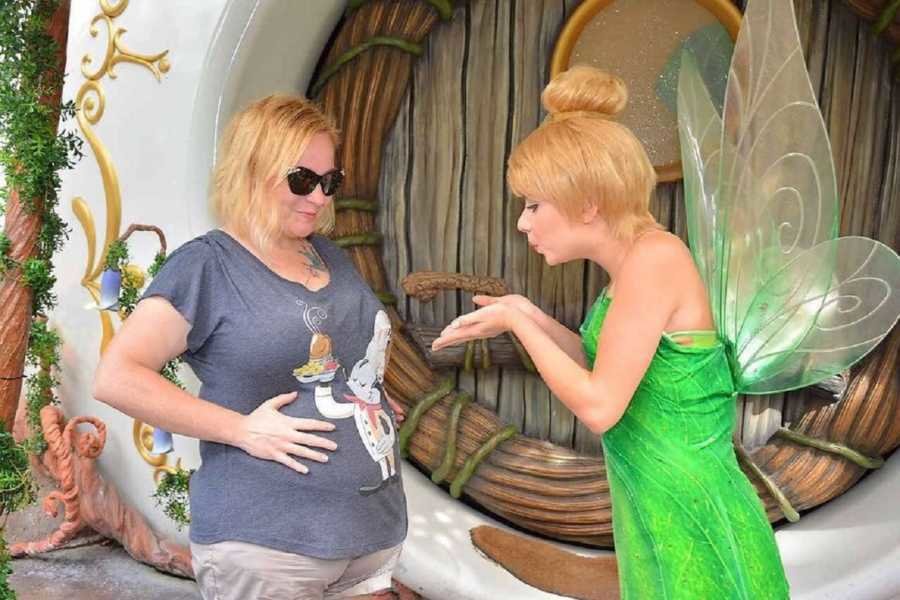
I was very confused and told her I wanted a second opinion before making any decisions about the future. Since Emmy’s skull showed signs of fusion, she recommended we visit the craniofacial department at Seattle Children’s Hospital. We made the appointment for the following week, and in the meantime, we had planned a trip to the happiest place on earth with her brother to celebrate him becoming a big brother. It was the most heartbreaking week of my life.
We sent all our records to the craniofacial team and met with one of the doctors. After reviewing the CT scans, he told us the initial diagnosis was completely wrong and that he was 98% certain she had Pfeiffer syndrome. He told us about the good and the bad, but assured us that she could live and have a very good life. She would need surgeries—probably many—but she could be a happy child with a fairly normal life.
We dismissed the other doctor immediately.
Pfeiffer syndrome is a genetic syndrome that can affect any fetus.
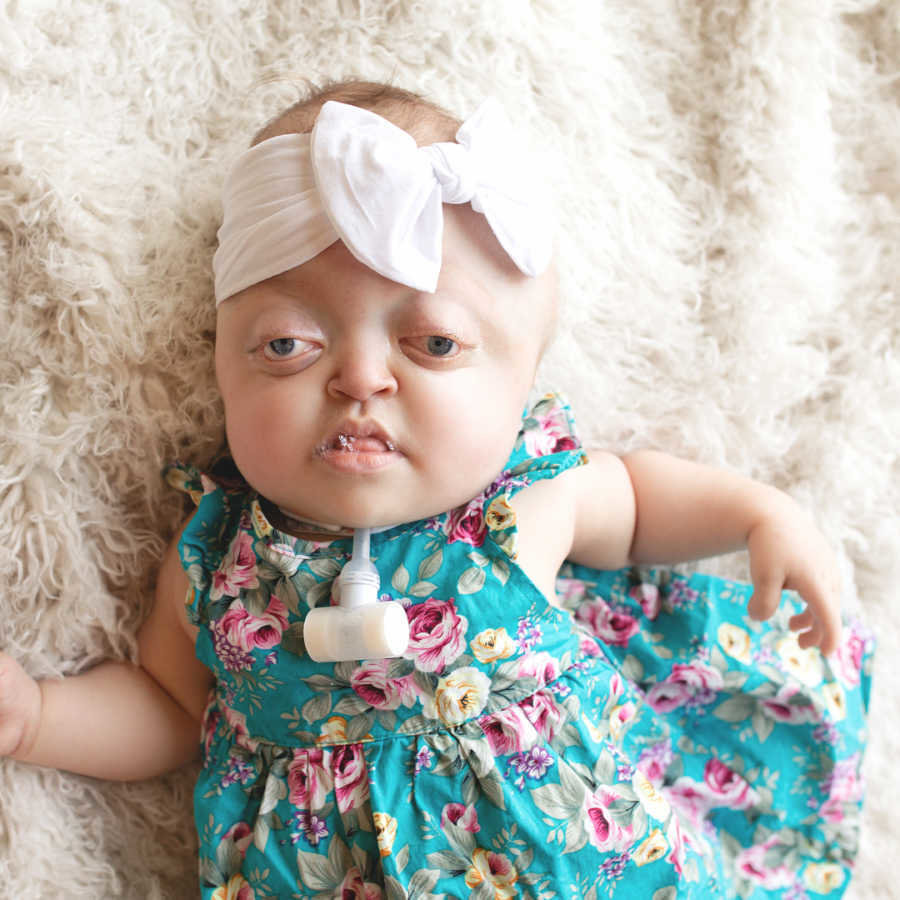
Photo by Sarah Sweetman
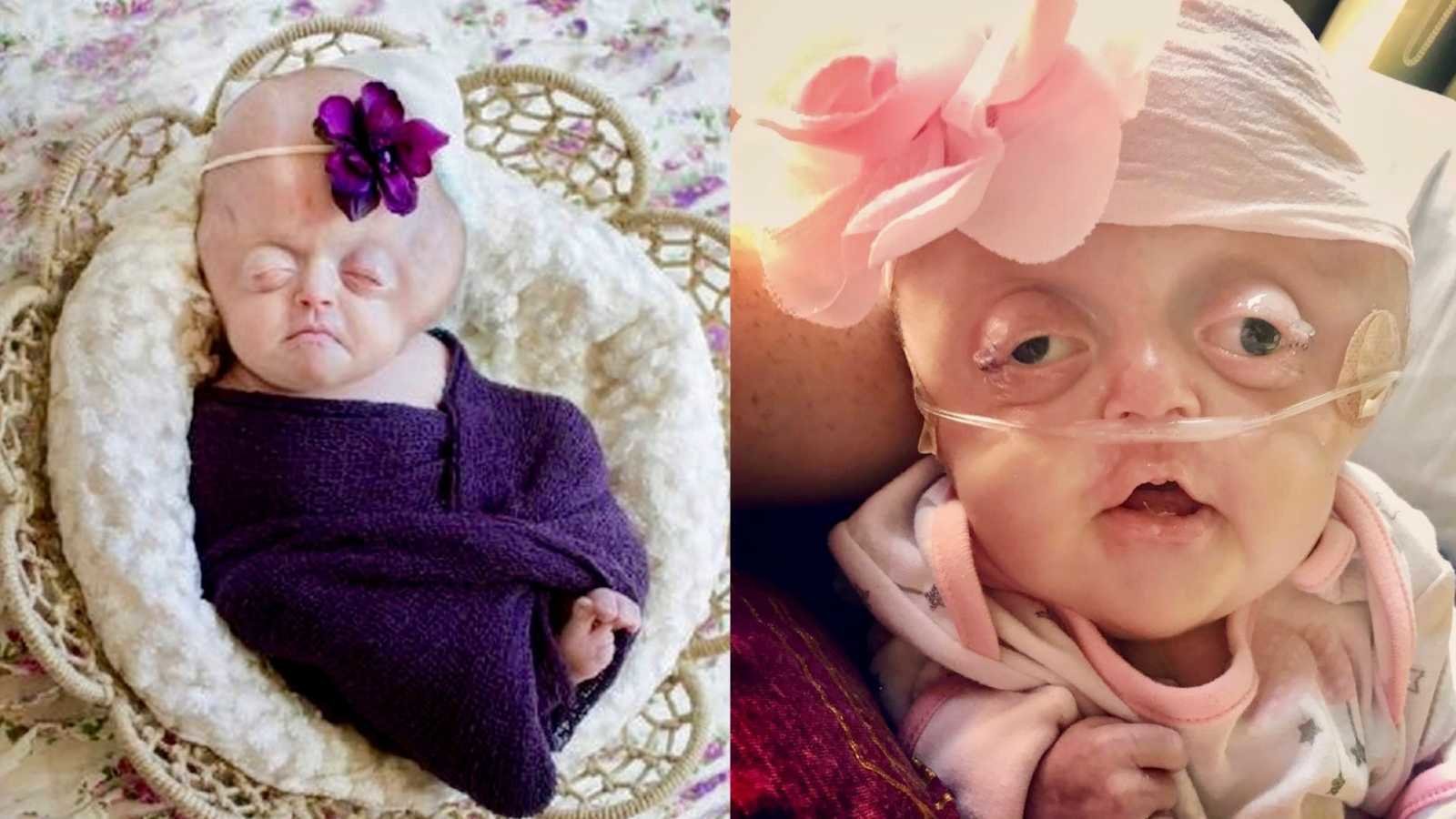
Nothing we did or didn’t do caused Emmy to have this condition. There are many concerns related to Pfeiffer syndrome, but the main issues revolve around premature fusion of the skull. Cranial fusion causes the sutures to close too early, and in Emmy’s case, all the typical openings in the skull were closed. This causes shallow eye sockets, which leads to proptosis (or protrusion of the eyeballs). Craniosynostosis also causes her midface (nose and upper jaw) to flatten, which in turn causes a narrowing of her airways.

The next 18 weeks were spent with ultrasounds and doctor’s office visits. We assembled a dream team of doctors to be ready when she was born and to help keep her airways clear. When the big day arrived, we were both excited and terrified.
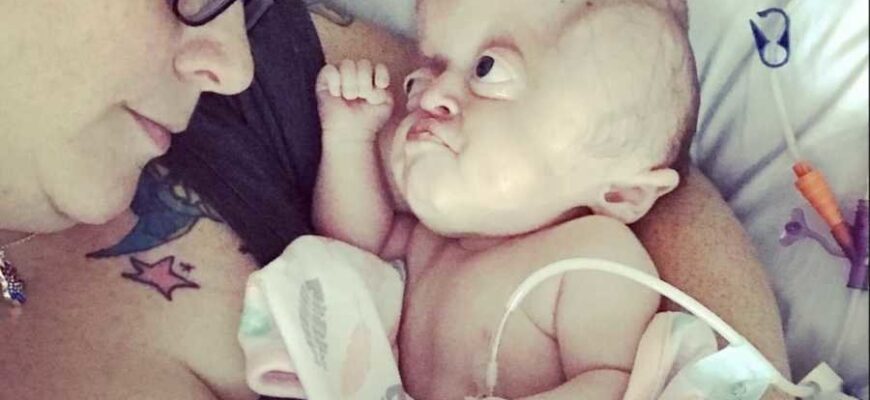
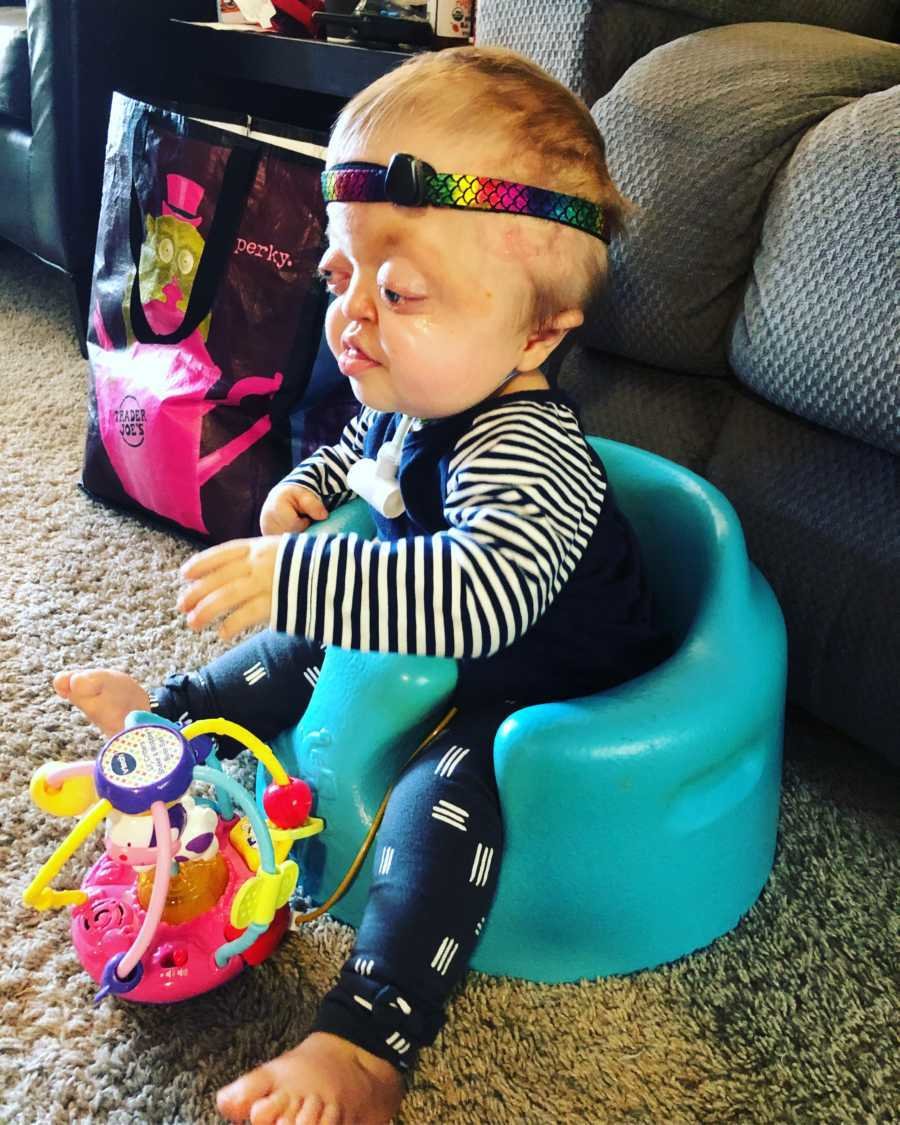
Although we had prepared as best we could, seeing Emmy in person was a shock.
Amanda Schuster
She had enormous eyes, a deformed skull, and was intubated immediately before I could even see her. She also has beautiful blue eyes and dark hair.
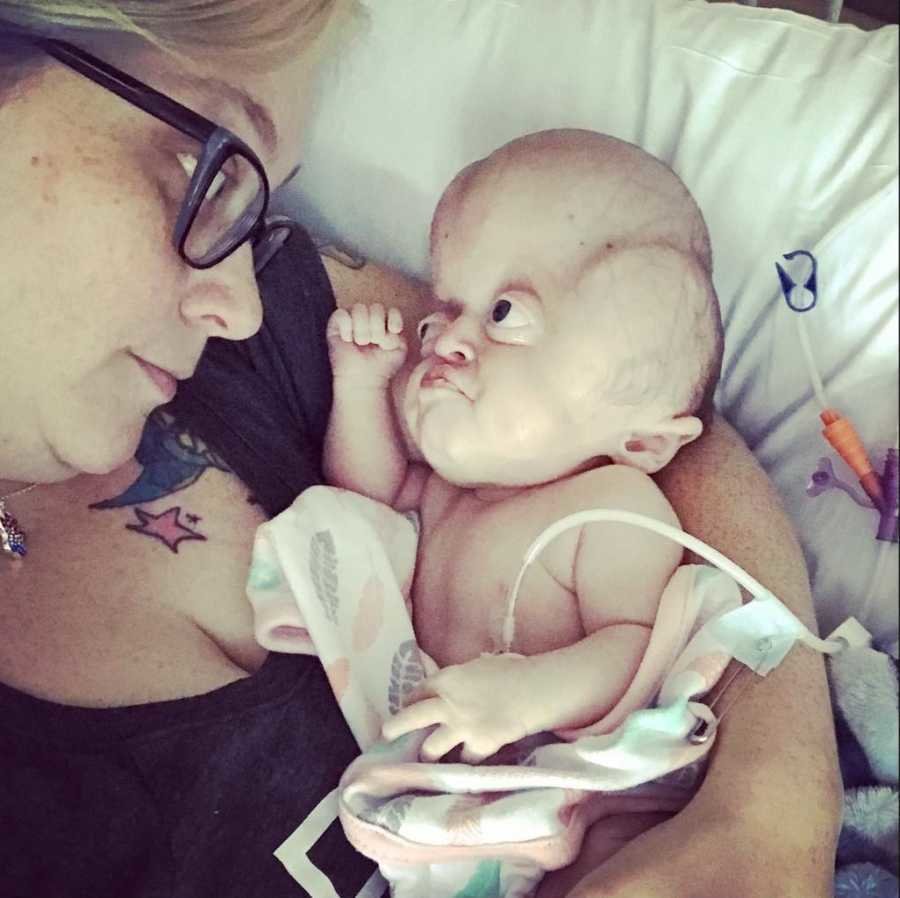
She had a lump on one side of her head where cerebrospinal fluid had accumulated because it wasn’t draining properly, and her hydrocephalus had worsened. Honestly, when I first saw her, I thought it couldn’t be that bad, but at least I could close my eyes. Our doctor didn’t say anything; she was completely focused on me and stitching me up after the C-section.